If you’re moving cargo through Singapore this year, you’re already feeling the pressure. Container shipping costs have surged 34%, and the forces driving that increase aren’t temporary. Rerouted vessels, alliance restructurings, and tightening capacity are compounding one another in ways that demand your attention. Understanding exactly where these costs originate—and how they interact—is the only way to respond strategically rather than reactively.
Why Container Shipping Singapore Costs Are Climbing in 2025
As global trade routes continue to fracture under geopolitical pressure, container shipping costs through Singapore have surged significantly in 2025, driven by a confluence of supply chain disruptions, port congestion, and shifting demand patterns. You’re now seeing container shipping Singapore rates spike 34% year-over-year. Rerouted vessels, tightened capacity, and elevated fuel surcharges are compounding your logistics expenses faster than most businesses anticipated.
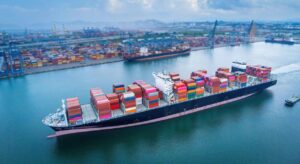
How Rerouted Trade Corridors Are Raising Singapore Port Fees
When traditional shipping lanes through the Red Sea and Suez Canal became untenable due to Houthi attacks, carriers rerouted vessels around the Cape of Good Hope, adding 10–14 days to transit times and fundamentally altering Singapore’s port traffic dynamics. You’re now seeing increased port congestion, higher berth demand, and elevated handling fees as Singapore absorbs rerouted vessel volumes it wasn’t originally designed to accommodate simultaneously.
What Shipping Alliance Shake-Ups Mean for Singapore Freight Rates?
The dissolution of the 2M Alliance between Maersk and MSC in January 2025 and the simultaneous restructuring of THE Alliance and Ocean Alliance into new configurations—Gemini Cooperation, Premier Alliance, and an expanded MSC independent network—have fundamentally fragmented the slot-sharing agreements Singapore’s freight market relied on for rate stability. You’ll now face unpredictable capacity deployment, as carriers independently optimize vessel rotations, creating 12–18% freight rate volatility across Singapore’s transshipment corridors.
How to Cut Your Container Shipping Singapore Costs Now
Piloting these alliance restructurings strategically can trim your container shipping costs by 15–22%, provided you act on three high-leverage adjustments. First, consolidate shipments onto 2M-successor routes serving Singapore’s PSA terminals. Second, book 60–90 days ahead, locking pre-rate-hike contracts. Third, audit your Incoterms—switching from CIF to FOB typically recovers 8–12% in carrier markup costs you’re currently absorbing unnecessarily.